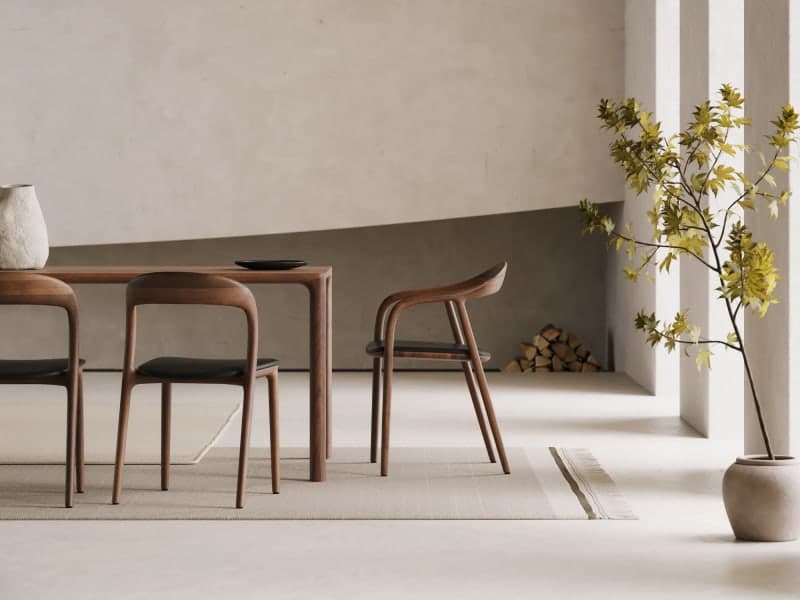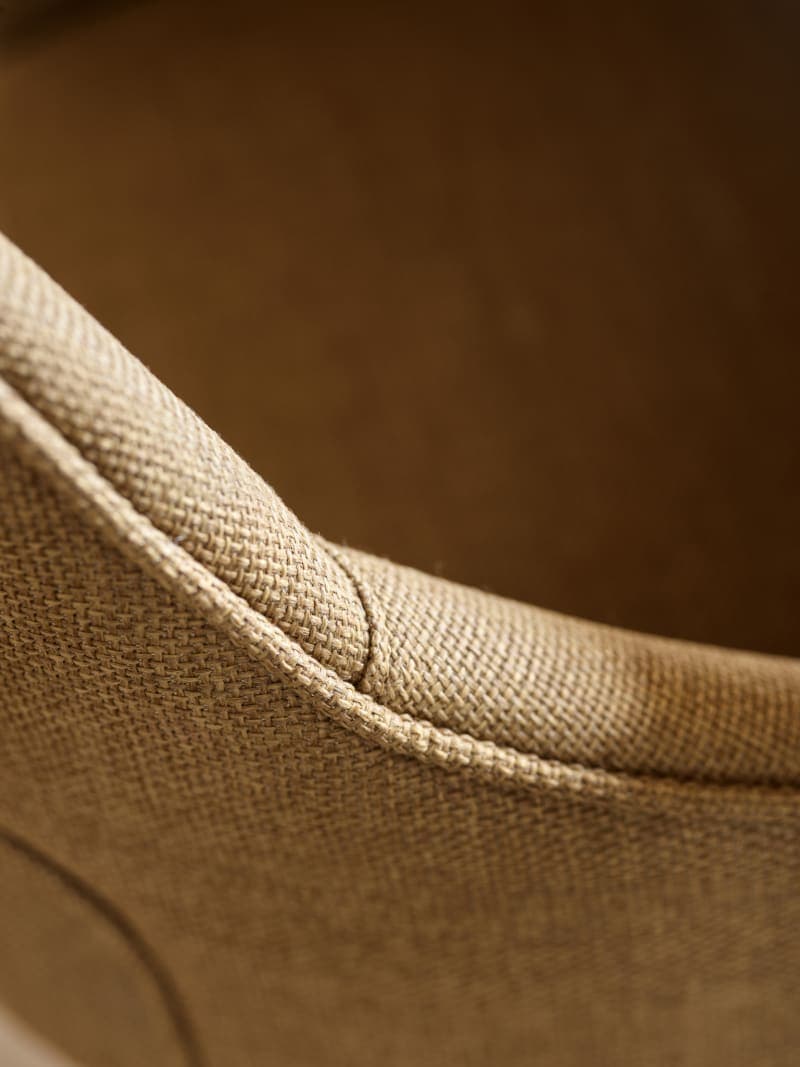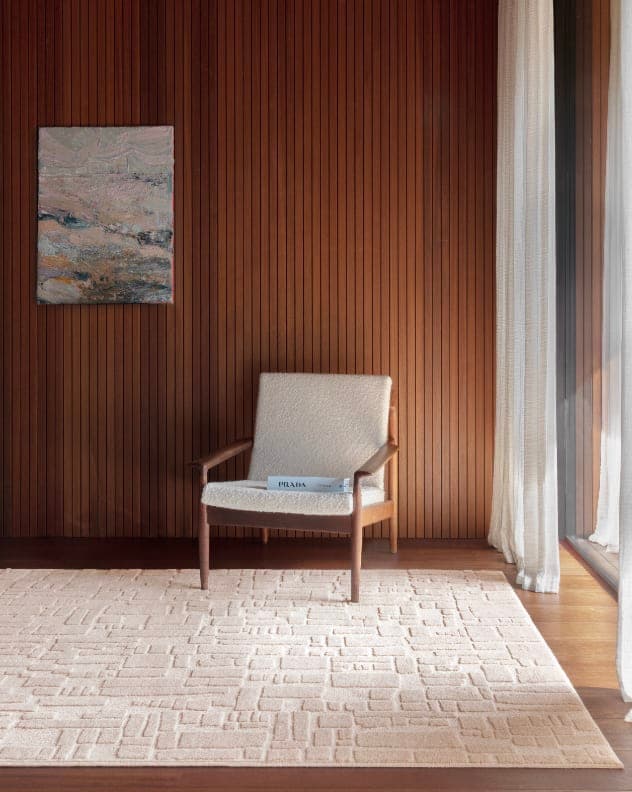
Pure wool is durable, naturally sustainable and tactile in a way synthetics cannot replicate - which is why it remains the considered choice for carpets.
A material with a memory
Wool's advantages underfoot are structural rather than decorative. Its natural crimp acts like a spring, so it recovers from compression and foot traffic and resists the matting that flattens lesser fibres — the reason it holds up in hotel lobbies and corridors where appearance has to survive heavy use. Its fire behaviour matters too: wool has a relatively high ignition temperature and tends to char and self-extinguish rather than melt and drip, which is why fire guidance for interiors treats it as a low-risk fibre. And it ages rather than fails — a good wool carpet softens and settles over decades instead of shedding within a few years. The caveat worth stating plainly is that neither "wool" nor "handmade" guarantees this on its own; the grade of the fibre, the spin and the construction do. We unpack how to judge that in how to judge a wool carpet worth keeping, and the brand we represent in this material, House of Wool, works in genuinely knotted and woven construction for exactly that reason.
Working on a project, or curious about the brands?
Begin a conversation