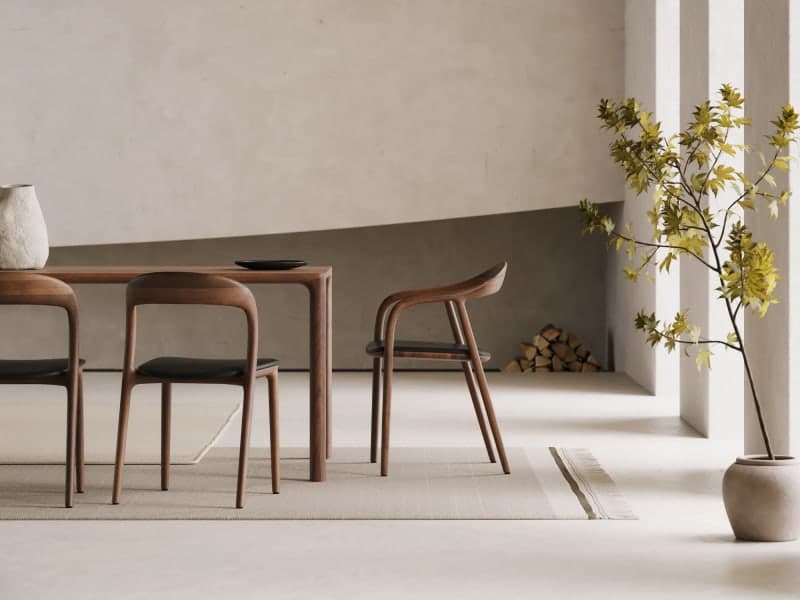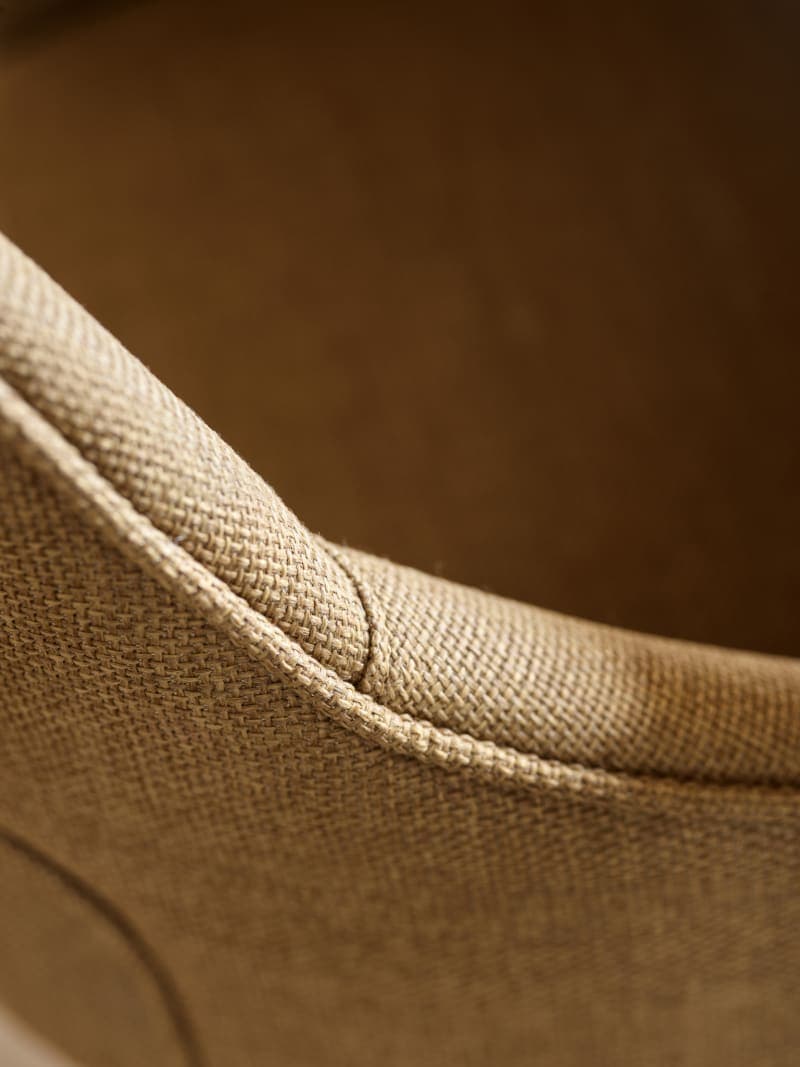
Specifying for hospitality means choosing furniture that survives commercial use without reading as commercial - durability and warmth in the same decision.
On this page
Performance is the brief
Hospitality is unforgiving in a way domestic use is not: a hotel or restaurant subjects a piece to more wear in a year than a home delivers in ten, and it is judged on what it costs to keep, not what it costs to buy. That constraint is useful, because it narrows the field fast. Upholstery has to meet a real abrasion rating for the use, not just look right on a swatch; seating has to be structurally jointed to survive constant dynamic load; finishes have to take daily cleaning by people who did not specify them. Treat durability, maintenance and replacement as the primary brief and appearance as the constraint within it, and most of the wrong options disqualify themselves. We set the full method out in specifying furniture for hospitality.
Where agency and design meet
Specifying well for hospitality depends on answers a catalogue cannot give: what a fabric is actually rated to, how a bespoke dimension will be handled, what a contract lead time realistically is, whether a quantity will arrive consistent across a batch. Robin Gregory Interiors works as both a furniture agency and an interior design studio, which means we put those questions to the houses directly and then live with the result in our own projects rather than selling pieces and moving on. That access is what changes specification from choosing from images to deciding against the brief — the difference a European furniture agency is there to make.
Working on a project, or curious about the brands?
Begin a conversation